
Introduction to Performance Marketing and Traditional Marketing
Understanding performance vs traditional marketing is crucial in today’s digital landscape, where businesses have more options than ever to creatively promote their products and services. Traditional marketing involves methods such as television and radio ads, printed ads, and billboards– tried and tested methods that date back decades. Performance marketing leverages digital metrics for measurable outcomes, while traditional marketing relies on broad-reach advertising with less tracking.
The decision between these two marketing methods marks a very critical point in building up a brand’s success. Understanding the distinction between performance marketing and traditional marketing becomes very important as companies strive to make the most of their returns and work their way to target audiences more effectively. This performance vs traditional marketing comparative analysis will explain the key features of each approach, indicate their pros and cons, and when to use one method over the other.

Key Features of Performance Marketing
Performance marketing focuses on results, using digital platforms to execute specific business objectives. This is pretty much highly measurable and uses data to optimize campaigns for maximum effect. Some of its key features are as follows:
- Measurable Outcomes: Performance marketing is also known for providing tangible results that can be responded to. Many parameters such as clicks, impressions, conversion rates, and returns on investment are all tracked in real time as they happen. For example, Google Analytics and Meta Ads Manager track ad views, clicks, and conversions like purchases in real-time.
- Cost-Effectiveness: Unlike other forms of marketing, performance marketing is based on a business model that involves payments only when specific criteria have been met. Models such as PPC or CPA ensure that companies are investing in users actually reaping value from the offering.
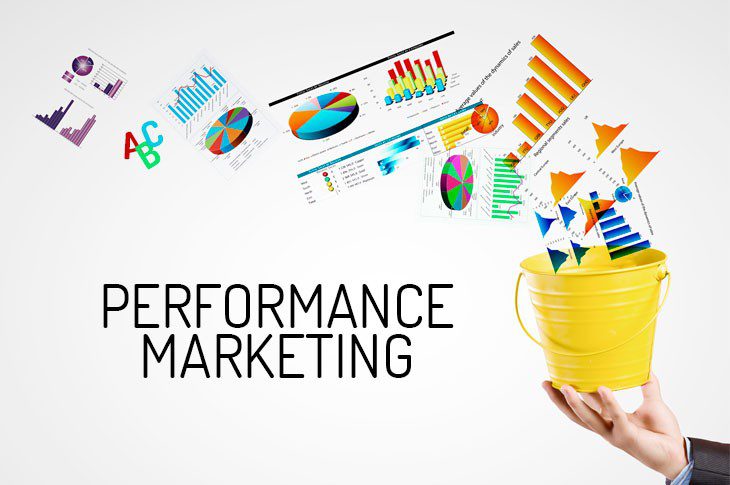
- Data-Driven Strategies: Performance marketing deals with analytics and data. The campaigns can be optimized at any given time since they are performance-based; the return on investment will be effective. A case scenario would be if an ad isn’t garnering enough views, then the stop of it could be edited on the spot.
- Precise Targeting: For instance, social platforms such as Facebook Ads and Google Ads have given businesses capabilities that allow them to reach very specific audiences. Advertisers are also able to create their audience group based on attributes such as age, geography, interests, and behaviors. This degree of accuracy tends to have higher engagement levels and conversion rates.
- Adaptability and Flexibility: Given that performance marketing is relatively easy to change a campaign with slight modifications to messaging, budget control, and even its pause, this flexibility can assure speed in adapting to changes in audience behavior or market conditions.
Key Features of Traditional Marketing
Traditional marketing is quite simply the tried-and-true methods of reaching a wide audience using offline channels. While it may not give the exact demographic precision that its digital counterpart does, it has value in certain types of campaigns. Here are its main features:
- Mass Reach: Traditional marketing channels, such as TV, radio, and print media, can reach millions of people all at once. National TV allows a single peak-time ad to reach massive audiences in one run, effectively building nationwide brand awareness.
- Brand Recognition and Emotion: The power of traditional marketing lies in creating an aura of the brand and connecting emotionally with the audience. Iconic campaigns like Coca-Cola’s festive ads and Nike’s commercials create lasting emotional impressions that resonate for years.

- Broad Demographic Targeting: Although there isn’t much targeting that happens in traditional marketing to compare to digital, it has the potential to target huge sections of demographics. Magazine ads for luxury brands target high-income audiences, though targeting remains less granular than digital methods.
- High Initial Investment: Traditional marketing usually involves high costs upfront. Creating TV commercials or buying magazine ad space typically requires substantial upfront investment in traditional advertising. This reach and effect justify the expenses for large companies with substantial marketing budgets.
- Limited Measurability: One of the major disadvantages of traditional marketing is how hard it is to measure its effectiveness. Metrics include TV ratings or newspaper circulation, but they don’t give the level of precision that digital platforms do.
Comparative Analysis: Performance Marketing vs. Traditional Marketing
Within the context of comparison between performance marketing and traditional marketing, a number of factors have to be taken into consideration, such as cost, measurability, targeting, and scalability.
- Cost: Performance marketing proves more affordable by charging only for specific outcomes, unlike traditional marketing’s significant upfront investment. In other instances, a startup would rather market through a PPC than advertise on a popular TV ad.
- Measurability: The ability to estimate gauging outcomes is where performance marketing shines. It all is measurable, and this is the strength in performance marketing. Traditional marketing uses imperfect metrics like reach and post-campaign surveys.

- Audience Targeting: Performance marketing enables a degree of specific targeting based on demographics and behaviors. Traditional marketing casts a wide net, sending the same message to many viewers without personalizing it for individuals.
- Scalability: Both can be scaled; though, there is a higher degree of control with performance marketing. Companies can flexibly scale advertising budgets up or down based on actual marketing performance and results. Scaling marketing efforts would mean airing other ads.
Conclusion and Recommendations
Comprehension of the performance vs traditional marketing disparities is critical in developing a useful marketing plan in advertising. Traditional marketing excels at building brand awareness and establishing emotional connections with customers; unfortunately, this type of marketing is not as measurable as performance marketing. In contrast, performance marketing is more favorable in terms of being cost-effective and providing real-time tracking capabilities. Performance marketing might prove to be more beneficial for organizations with limited budgets as well as for organizations aiming to trigger specific actions. Ultimately, the performance vs traditional marketing choice depends on your business (or creative) goals, budget, and target audience needs.

It can also help reach exact audiences with the help of Google Ads or social media marketing. Traditional marketing effectively helps organizations target larger audiences and build strong brand identity despite digital alternatives. Combining Performance and Traditional marketing methods often yields the best results by leveraging strengths of both approaches. For example, firms can use TV commercials for awareness while simultaneously running PPC ads to drive targeted conversions.
Like what you read? Care sharing:)