
Introduction
The marketing trends of 2025 reveal that the current state of the art is miles away from the approach and tactics of a few years ago. The ever-changing environment of consumer behavior and technological advances has brought about a paradigm shift in this area. Behind this new approach lies the focus on personalization and the prevalence of the latest technologies, such as Generative AI.
Adaptability has become essential as businesses navigate uncertain conditions and evolving expectations in the new normal. What consumers are looking for in businesses these days goes beyond the purchase of goods and services. They are looking for a customized experience that addresses their needs and preferences. Businesses equipped with new technology skills and tools gain competitive advantages and achieve revenue exceeding expectations.
Personalization Trends in Marketing

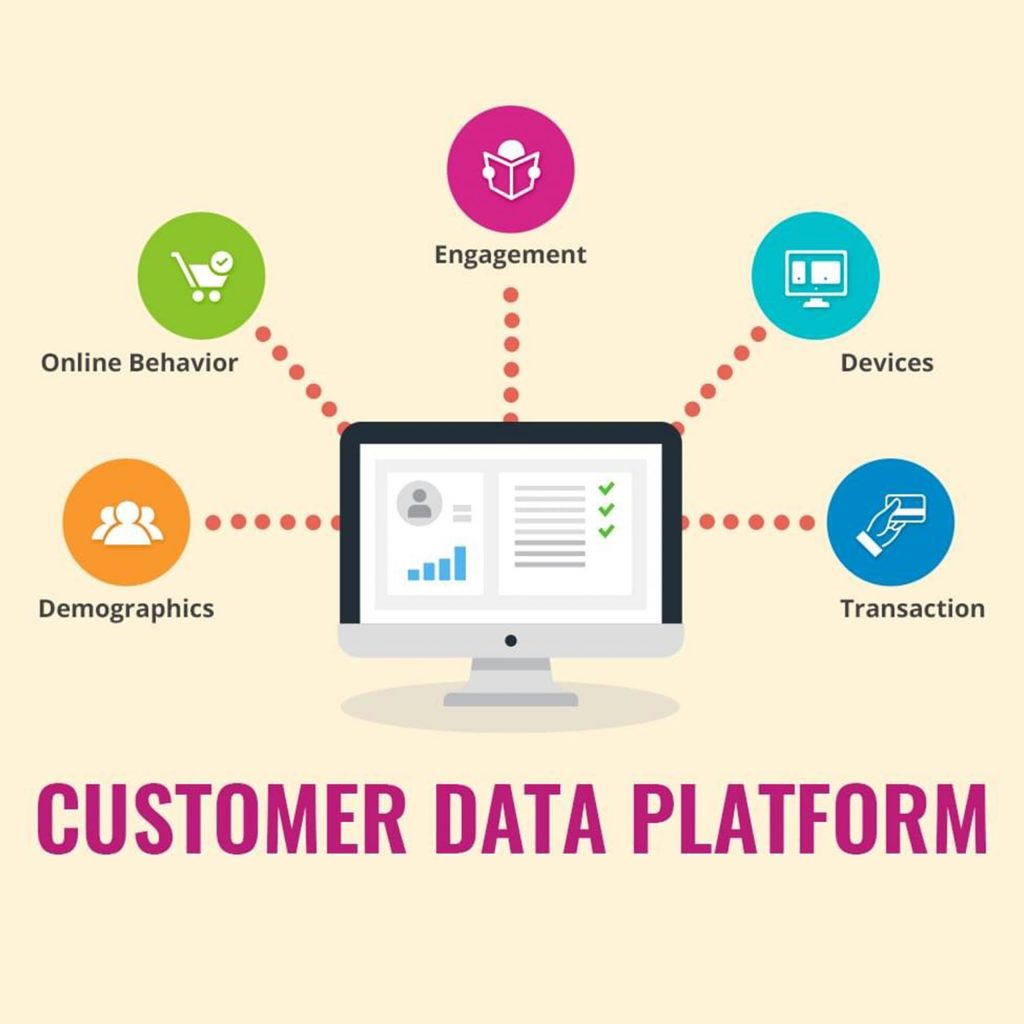
As of 2025, personalization is no longer a “wish list” item but the “have to” list. Brands excelling in personalization build deeper customer relationships while generating significant monetary benefits and increased revenue. The fact remains that there is a direct correlation between those brands that offer a high degree of personalization to their customers and seeing their customers purchase more, spend more, and stay for longer. Why is this area of personalization so effective among the marketing trends of 2025? The answer lies in the value each customer places on their sense of understanding. In oversaturated industries, customers gravitate toward brands that actively accommodate their individual preferences and expectations. Industry leaders have proven that they are able to surpass the competition with their level of personalized content that reaches the customer on a personal level.
Spending on personalization solutions is also being identified as an essential investment driver for businesses. Many marketing executives have been allocating budgets towards improving personalization solutions. Personalization solutions using consumer data and predictive algorithms help businesses differentiate themselves in competitive markets. The result is apparent in terms of increased satisfaction and revenue generation.
Generative AI’s Role in Marketing
The emergence of Generative AI has become a revolutionary phenomenon that has transformed the face of marketing. By 2025, Generative AI has evolved from a new trend to an integral component of all enterprise strategies, incorporated in all business software applications. Among the defining marketing trends of 2025, Generative AI is not only revolutionizing marketing but has become a transformation that has altered the fundamental face of the industry. The most appealing thing about Generative AI is scalability, particularly regarding personalization. AI processes vast data and creates content, enabling marketers to deliver unprecedented personalized experiences at scale. This is in terms of everything, including designing emails for individual customers, as well as dynamically created website information in line with individual customer interests, among many other possibilities. The process ensures that consumers receive information that is consistent with their interests.
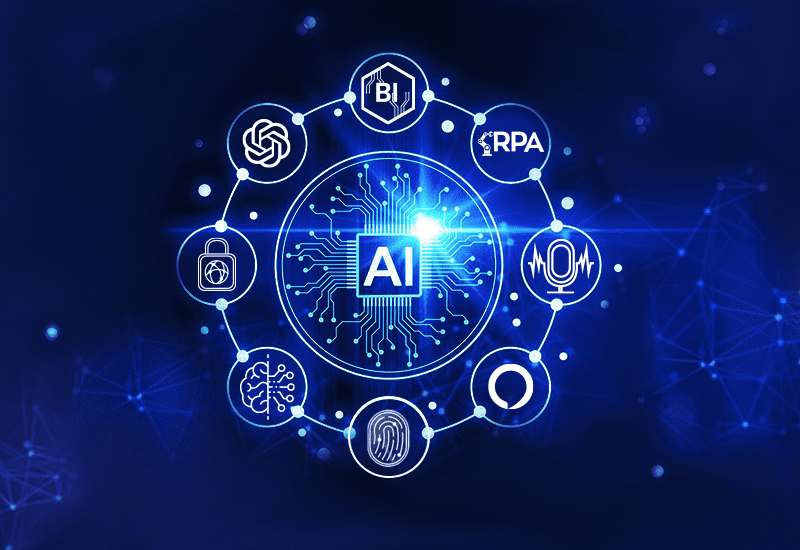
The financial side of the integration of Generative AI in marketing is also very important. Companies offering enterprise software solutions, including AI, expect to record huge revenue boosts potentially reaching billions. This is because through the use of the innovation, companies are not only going to cut costs but also make their marketing strategies extremely effective. By 2025, companies that adopt the use of Generative AI are in a better position to outdo competitors while also meeting the rising demands of consumers. The other dimension that AI has brought to marketing, therefore, is that of innovation. This is because AI can now enable businesses to make forecasts related to consumer behavior, provide insights in real-time, or test new ideas that were not feasible with marketing practices that preceded AI. It can therefore be expected that, with increasing reliance on this technology, its impact within marketing can only broaden.
Broader Consumer Trends Shaping Marketing
In order to understand the environment in 2025, there is a need to identify the shifts that have their roots in consumer behavior in the past few years. First, the COVID-19 pandemic has influenced consumer behavior in relation to the use of time, decision-making process, as well as ascribing values. But notwithstanding the fact that the world may indeed be flattened, there are still lessons from the aftermath. The major trend that has surfaced from all these is a gap between consumer sentiment and spending. Consumers’ sentiment is not up because, in fact, there has always been a certain level of uncertainty concerning the economy.
Understanding Consumer Behavior Through AI and Predictive Analytics
Nevertheless, consumers continued to indulge in buying, thereby translating into unexpected trade-offs being made. Consumers choose budget options for certain products but select premium alternatives for others, demonstrating strategic purchasing decisions. This also establishes the fact that a brand would require a certain level of understanding of consumers. To address this issue, companies have made tremendous investments in technology that enables brands to understand consumer behavior. For instance, social listening technology sourced from AI enables brands to keep abreast of the minute changes occurring within consumer behavior. This reflects the 2025 marketing landscape, where predictive analytics technology has enabled brands to accurately predict consumer needs. Based on this, technology is helping brands be agile against the changes that are occurring within consumer priorities.
Another major paradigm change which has actually been taking place relates to the areas of trust and authenticity. Brands that align with consumer ideologies and demonstrate transparent business practices increasingly attract more customers. This means that businesses have to do more than just being the best brand storytellers in the market. They have no choice but to walk the talk in order to lay the unshakeable groundwork of trust in an age where loyalty remains only for the length of a nanosecond.
Conclusion: Shaping the Future of Marketing
The industry in 2025 is marked by transformation. Whether it is the increasing importance of personalization or the revolutionary capabilities made possible by Generative AI, the capabilities presented by markets are, for a fact, the most robust available today. Marketing Trends of 2025 enhance business-consumer interactions while redefining marketing capabilities and setting new engagement standards.
It has become quite clear that in order to compete effectively in the market, there needs to be an entire commitment to understanding consumer needs in terms of personalization. Personalization in marketing, AI integration, and new technologies represent just the beginning of necessary adaptations in today’s landscape. Marketers developing new approaches aligned with current trends strengthen their competitive position in the marketplace. The future of marketing lies in not resisting but defining change.